
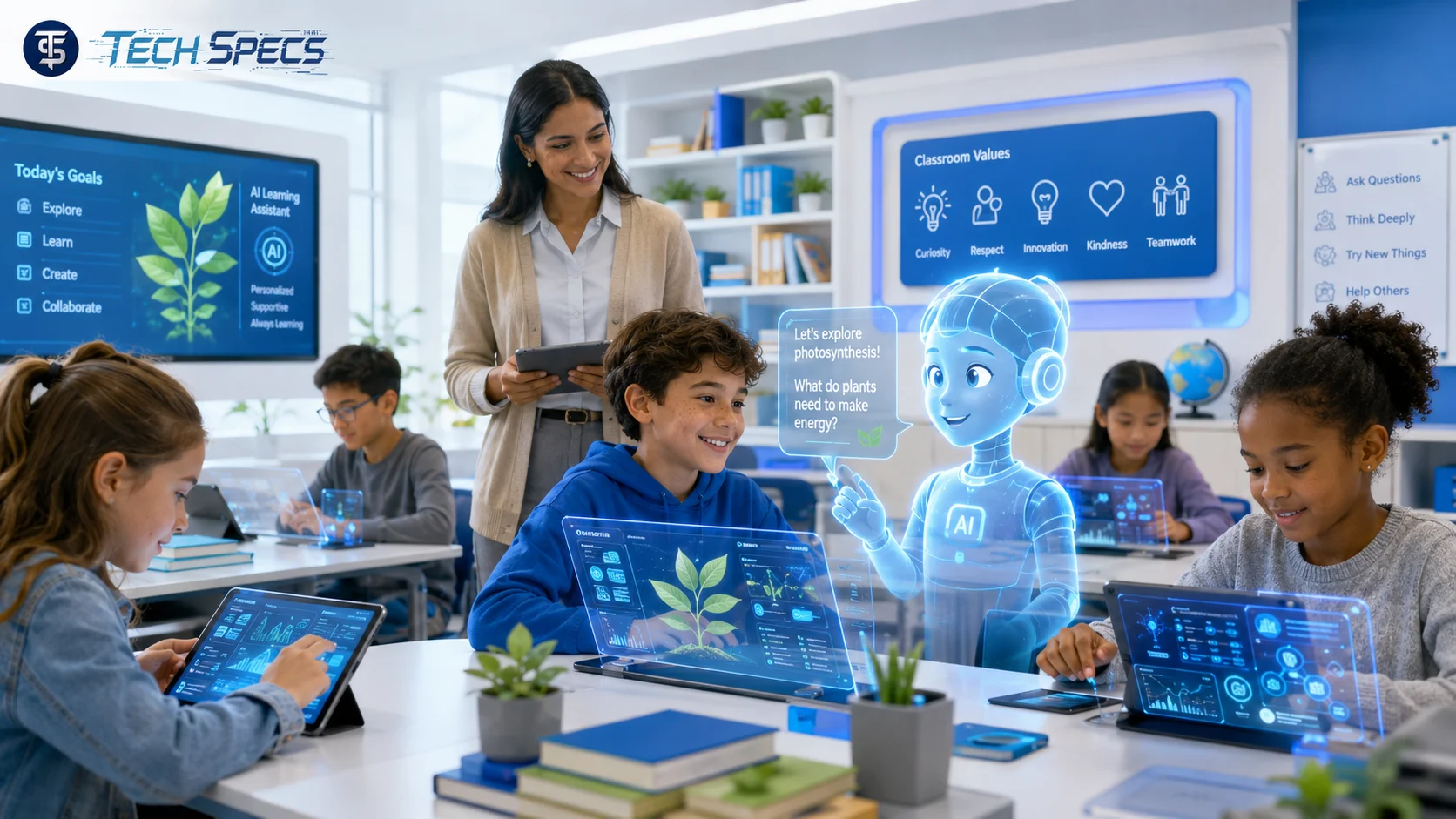

Education has always evolved with the tools available to teachers and students. From chalkboards to textbooks, from computers to tablets, every shift in technology has brought new possibilities into the classroom. But nothing has come quite as close to changing the very nature of how students learn as the rise of artificial intelligence.
Today, the ai agent for education is no longer a concept from science fiction. It is actively being used in K-12 classrooms around the world to deliver smarter, more personalized, and more effective learning experiences. These intelligent systems can adapt to each student’s pace, identify learning gaps before they become major problems, and give teachers powerful insights they never had before.
This blog post by Tech Specs explores everything you need to know about how an ai agent for education is transforming K-12 classroom learning, from the real benefits it delivers to students and teachers, to how schools are putting it into practice right now.
Whether you are a parent curious about what your child is experiencing, a teacher looking for better tools, or an administrator exploring options for your school, this guide is written for you.
What Is an AI Agent for Education?
Before diving into the transformation happening in K-12 classrooms, it helps to understand exactly what an ai agent for education is and how it works.
An AI agent for education is an intelligent software system powered by artificial intelligence that can interact with students, respond to their needs, deliver learning content, assess understanding, and adapt its approach based on each learner’s performance. Unlike a static learning app or a video tutorial, an AI agent actively responds and adjusts in real time.
Think of it as a digital tutor that is always available, never loses patience, and learns from every interaction to serve the student better.
Key characteristics of an ai agent for education include:
- Adaptive learning capabilities that adjust content difficulty based on student performance
- Real-time feedback so students know immediately whether they understood a concept
- Natural language processing that allows students to ask questions in plain language
- Progress tracking that records how each student is growing over time
- Personalized learning paths that guide each student along their own unique journey
- Integration with existing classroom platforms like Google Classroom or Microsoft Teams
These features combine to create something that traditional classroom tools simply cannot match: a learning experience tailored to the individual student, not the average of an entire class.
Why K-12 Classrooms Need AI Agents Right Now
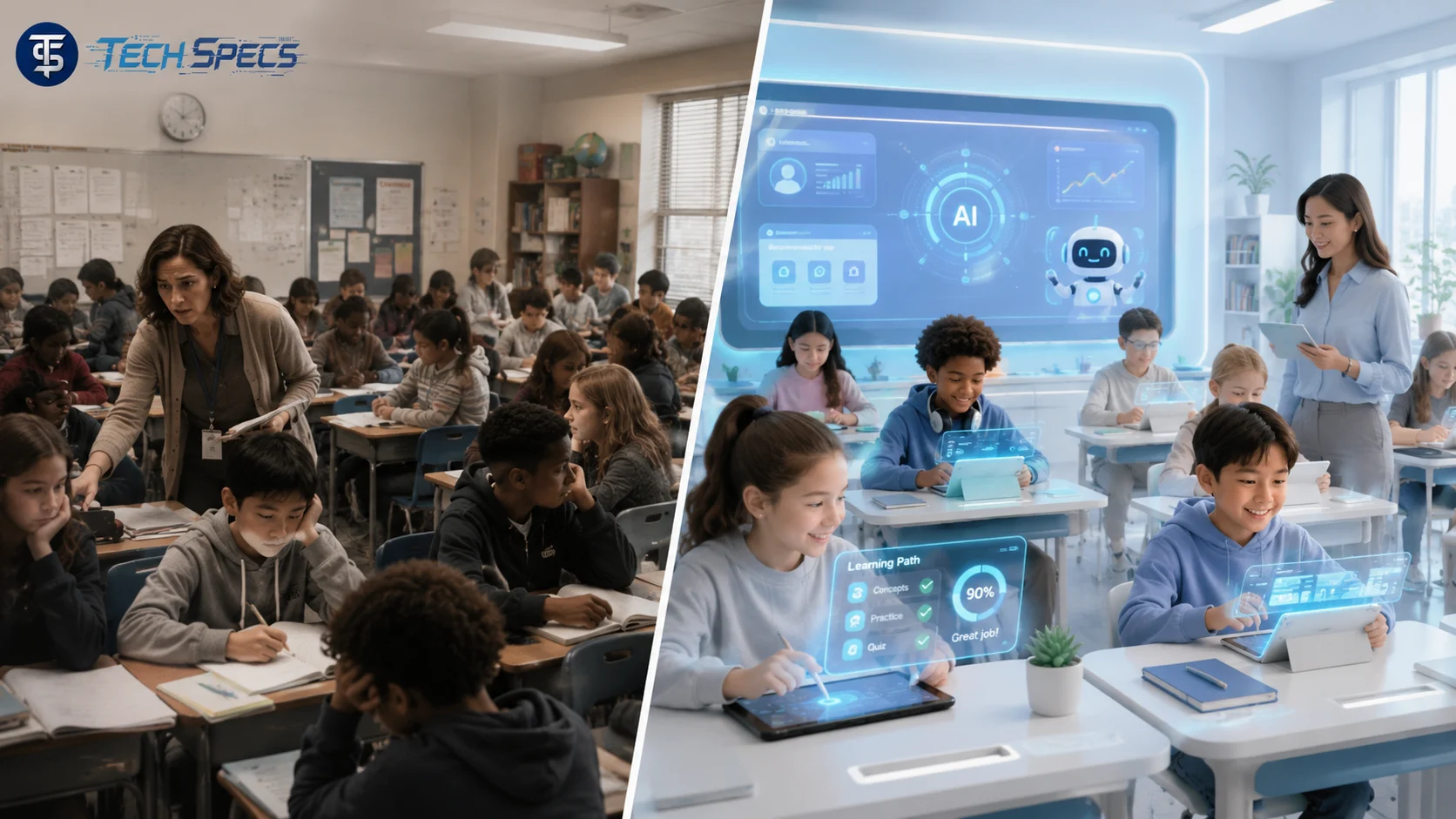
The challenges facing K-12 education are real and growing. Teachers are stretched thin, classrooms are overcrowded, and students come from diverse backgrounds with very different learning needs. A single teacher managing 25 to 30 students cannot realistically give every child the individual attention they need. That is not a criticism of teachers. It is simply the reality of how schools are structured.
This is exactly where an ai agent for education becomes not just useful but genuinely necessary.
Here is why K-12 classrooms need this technology right now:
1. Every Student Learns Differently
Some students grasp math concepts quickly but struggle with reading comprehension. Others need visual examples before abstract ideas make sense. AI agents can identify these patterns and adjust the way content is delivered to match each student’s learning style.
2. Teachers Cannot Be Everywhere at Once
During independent work time, students often get stuck and have to wait for the teacher to come around. An AI agent provides immediate support, answering questions and offering hints so students do not lose momentum.
3. Learning Gaps Need to Be Caught Early
When a student misunderstands a foundational concept, every lesson that builds on it becomes harder. AI agents continuously assess understanding and flag gaps early, allowing teachers to step in before the problem grows.
4. Engagement Is Declining in Traditional Classrooms
Students who are bored or disengaged fall behind quickly. AI-powered tools make learning more interactive and responsive, which keeps students more engaged in the material.
5. Teachers Need Better Data
Gut instinct is valuable, but data is more reliable. AI agents provide teachers with detailed, actionable data about every student’s performance, making it easier to plan lessons and target support effectively.
How AI Agents Are Being Used in K-12 Classrooms
The application of an ai agent for education in K-12 settings is more varied and practical than many people realize. Here is a look at how these tools are actively being used today.
Intelligent Tutoring and Homework Help
One of the most widely used applications is intelligent tutoring. Platforms powered by AI agents can walk students through math problems step by step, explain grammar rules, help with reading comprehension, and guide science concepts, all outside of regular school hours.
Students can ask questions at 10 pm while doing homework and receive helpful, accurate responses instantly. This kind of on-demand tutoring was once available only to students whose families could afford private tutors. AI agents are making it accessible to everyone.
Personalized Learning Paths
Rather than following a fixed curriculum at a fixed pace, AI agents create dynamic learning paths. If a student demonstrates strong understanding of one concept, the system moves them forward. If they are struggling, it slows down, revisits the concept from a different angle, and offers additional practice.
This is personalized learning at scale, something that was simply not possible before AI.
Automated Formative Assessment
Traditional tests give a snapshot of what a student knows on one day under pressure. AI agents assess learning continuously and naturally, through short questions, interactive exercises, and responses within lessons. This gives teachers a much more accurate picture of student understanding.
Language Learning and Literacy Support
For English language learners and students working on literacy skills, AI agents provide a patient, responsive, and judgment-free practice partner. Students can practice reading aloud, receive pronunciation feedback, and build vocabulary through interactive conversations.
Support for Students with Special Needs
AI agents can be configured to support students with learning differences, including dyslexia, ADHD, and other special needs. Features like text-to-speech, adjustable pacing, visual supports, and simplified language options make learning more accessible for every student.
Teacher Planning and Administrative Support
AI agents are not just for students. Teachers use AI-powered tools to automate grading, generate lesson plan ideas, create differentiated materials for various learning levels, and analyze class-wide performance data. This frees up valuable time for teachers to focus on meaningful interaction with their students.
Real Benefits of an AI Agent for Education in K-12
Let’s look at the concrete, measurable benefits that schools and districts are experiencing when they bring an ai agent for education into their classrooms.
Improved Academic Performance
Research consistently shows that personalized, adaptive learning leads to better academic outcomes. When students receive content at the right level with the right kind of support, they learn more effectively. AI agents make this kind of tailored instruction scalable across entire schools and districts.
Greater Student Confidence
One reason students disengage in traditional classrooms is the fear of looking foolish in front of their peers. An AI agent provides a private, low-pressure space where students can make mistakes, ask questions, and work through confusion without embarrassment. This builds confidence that carries over into the broader classroom.
More Equitable Learning Opportunities
Not every student has access to extra tutoring, enrichment programs, or well-resourced schools. AI agents help level the playing field by providing high-quality, personalized support to every student regardless of their zip code or their family’s income.
Reduced Teacher Burnout
When AI agents handle routine tasks like grading simple assessments, answering common student questions, and generating differentiated materials, teachers spend less time on administrative work and more time on the meaningful parts of their job. This contributes to greater job satisfaction and reduces the risk of burnout.
Better Parent Visibility
Many AI-powered education platforms include parent dashboards where families can see how their child is progressing, what concepts they are working on, and where they might need extra support at home. This strengthens the connection between school and home learning.
Challenges and Honest Considerations
A responsible discussion of any technology must include a look at the challenges. The AI agent for education is powerful, but it is not without its complications.
Data Privacy and Student Safety
AI agents collect detailed data about student learning behaviors. Schools must ensure that this data is protected and that platforms comply with relevant laws like COPPA and FERPA in the United States.
Screen Time Concerns
Adding more screen time to a student’s day is a legitimate concern, especially for younger learners. Schools need to be intentional about how and when AI tools are used and ensure they complement rather than replace physical, hands-on, and social learning experiences.
Teacher Training and Buy-In
Technology is only as effective as the people using it. If teachers are not properly trained on how to integrate AI agents into their instruction, the tools will not deliver their full potential. Professional development is essential.
Risk of Over-Reliance
Students who rely too heavily on AI support may not develop the independent problem-solving skills they need. Educators must strike a balance between AI assistance and opportunities for students to struggle productively and think independently.
Digital Equity
AI tools require reliable internet connections and devices. Schools serving lower-income communities may face barriers in implementation that widen rather than close the equity gap if these infrastructure issues are not addressed.
How to Get Started: Bringing AI Agents into Your K-12 School
If you are an educator or administrator ready to explore how an ai agent for education can work in your setting, here is a practical starting framework.
Step 1: Identify Your Biggest Classroom Challenges
Start by pinpointing the specific problems you want to solve. Is it learning gaps in math? Engagement in reading? Teacher workload? Knowing your goals helps you select the right tool.
Step 2: Research and Pilot a Platform
Many AI education platforms offer free trials or pilot programs. Try one with a small group of students or a single class before committing to a district-wide rollout.
Step 3: Invest in Teacher Training
Make sure teachers understand not just how to use the tools, but why they work and how to interpret the data they provide. Training should be ongoing, not a one-time session.
Step 4: Involve Parents Early
Communicate clearly with parents about what AI tools are being used, how student data is protected, and what benefits the school expects to see. Transparency builds trust.
Step 5: Monitor, Measure, and Adjust
Set clear goals for what success looks like, collect data regularly, and be willing to adjust your approach based on what you learn.
Leading AI Agent Platforms for K-12 Education
Several platforms are leading the space for those looking to explore specific tools. Each has its strengths depending on the grade level and subject area.
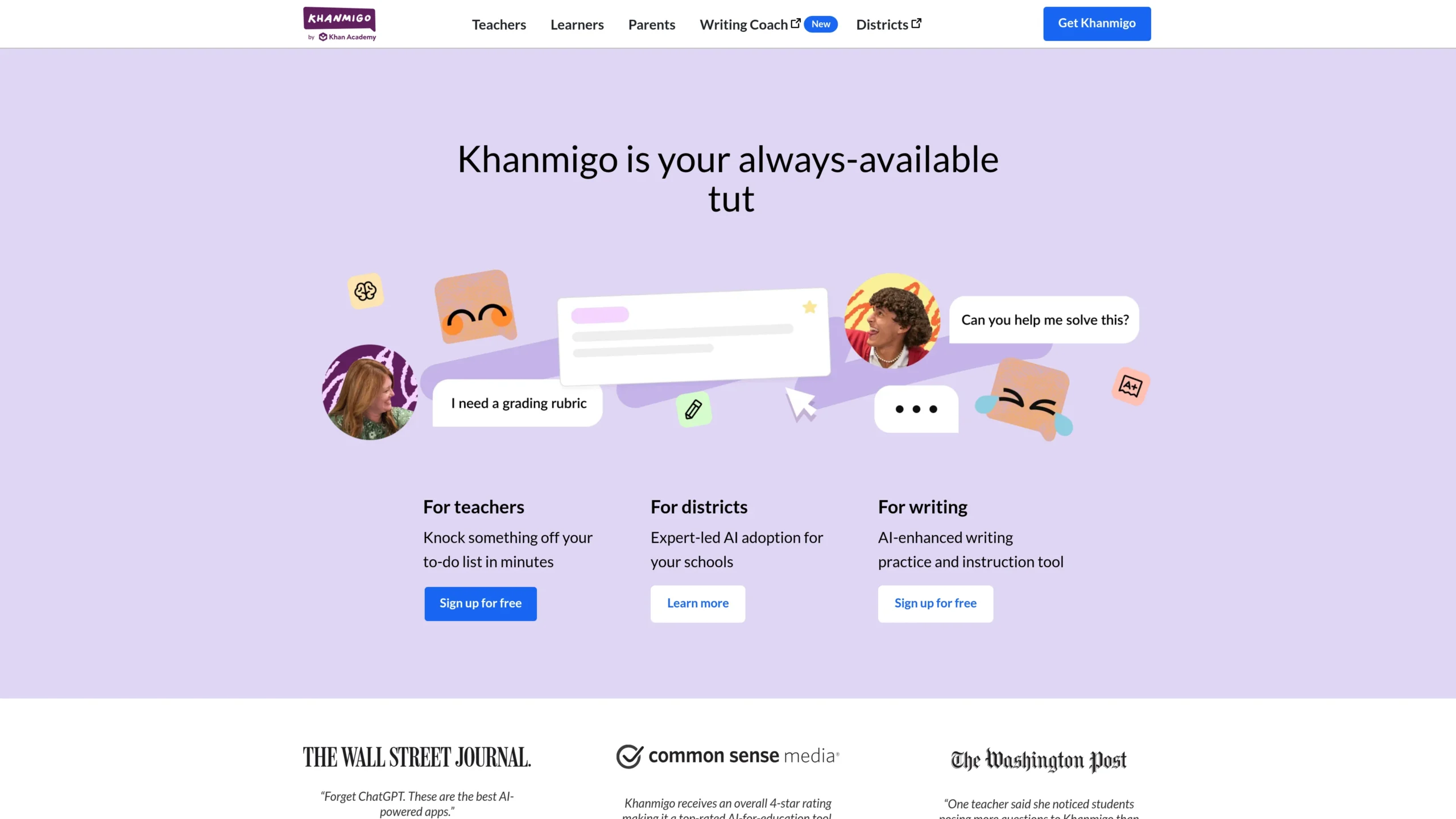
Khan Academy’s Khanmigo is an AI tutoring agent that helps students through subjects like math and writing using guided questions and explanations.
Carnegie Learning uses AI-driven adaptive math instruction backed by decades of cognitive science research.
Duolingo applies intelligent agent principles to language learning with adaptive, gamified practice.
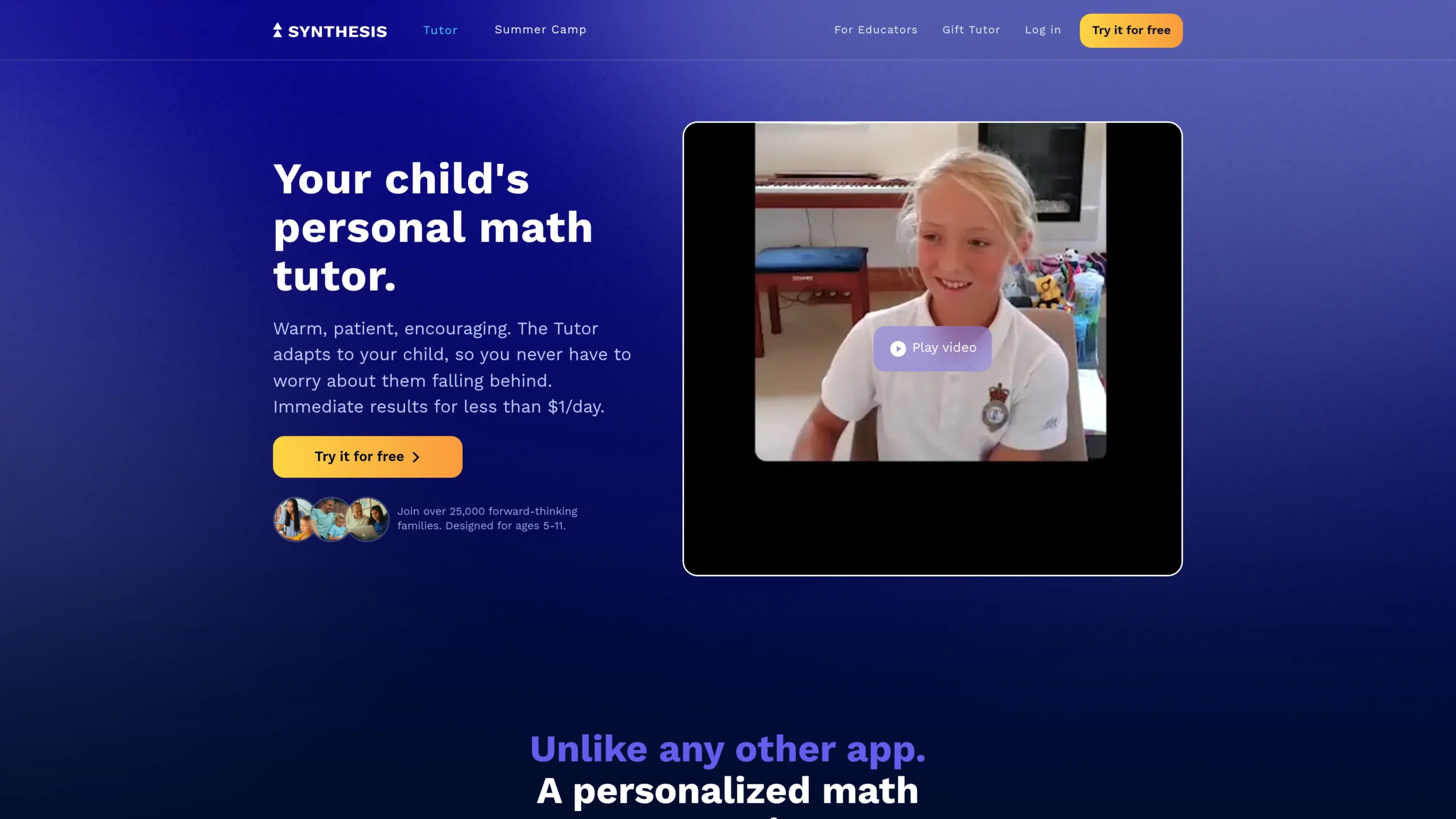
Synthesis focuses on problem-solving and critical thinking for elementary and middle school students.
Socratic by Google uses AI to help students understand homework questions across subjects with visual explanations.
These platforms represent just a portion of what is available, and the space is growing rapidly with new tools entering the market regularly.
The Future of AI Agents in K-12 Education
The AI agent for education is still in its early stages of adoption in K-12 schools, but the trajectory is clear. As AI technology becomes more sophisticated and more affordable, its presence in classrooms will only grow.
In the near future, we can expect:
- AI agents that understand emotional states, recognizing when a student is frustrated or confused and adjusting their approach accordingly
- Voice-activated classroom assistants that respond to student questions during lessons in real time
- AI-generated differentiated content is created instantly for each learner at their specific level
- Collaborative AI agents that support group projects and teamwork, not just individual learning
- Tighter integration with teacher workflows, making AI a seamless part of how educators plan, teach, and assess
The ultimate goal is not to replace teachers. It is to give teachers a powerful partner so they can do their best work and every student gets the support they need to succeed.
Final Thought
The AI agent for education is transforming K-12 classroom learning in ways that were unimaginable just a decade ago. From personalized tutoring and adaptive learning paths to real-time assessment and teacher support, these intelligent systems are addressing some of education’s most persistent challenges.
The technology is not perfect, and thoughtful implementation matters enormously. But when used well, AI agents give students a better learning experience, give teachers more time and better data, and give schools a genuine path toward more equitable, effective education for every child.
The classroom of the future is not a room full of students staring at screens while an AI runs the lesson. It is a place where skilled, passionate teachers are supported by powerful tools that help them reach every learner more effectively.
That future is already beginning. And the schools that embrace it thoughtfully will give their students a meaningful advantage.
Frequently Asked Questions
Q1. What is an ai agent for education and how does it work in K-12 classrooms?
An ai agent for education is an intelligent software system that interacts with students, delivers personalized content, assesses understanding in real time, and adapts learning based on each student’s performance. In K-12 classrooms, it functions as a digital tutor, supporting students during lessons, homework, and independent practice.
Q2. Will AI agents replace teachers in K-12 schools?
No. AI agents are designed to support teachers, not replace them. They handle repetitive tasks like grading and answering routine questions, freeing teachers to focus on creative instruction, emotional support, and meaningful student relationships, areas where human connection is irreplaceable.
Q3. Are AI education platforms safe for children?
Reputable ai agent for education platforms are built with strict data privacy protections and comply with laws like COPPA and FERPA. Schools should always review a platform’s privacy policies and data practices before implementation.
Q4. How does an ai agent for education support personalized learning?
AI agents continuously assess each student’s understanding and adjust the difficulty, format, and pacing of content to match their individual needs. This creates a truly personalized learning path that helps students progress at their own pace.
Q5. What subjects can an ai agent for education help with in K-12?
AI agents are currently being used across a wide range of K-12 subjects including math, reading, writing, science, social studies, and language learning. Many platforms are subject-specific, while others offer broader multi-subject support.
Q6. How can teachers integrate an ai agent for education into their daily lessons?
Teachers can use AI agents to support independent practice time, provide differentiated assignments, gather real-time assessment data, and offer after-hours homework help for students. Integration works best when AI tools complement existing lesson plans rather than replacing teacher-led instruction.
Q7. What are the biggest challenges schools face when adopting AI education tools?
Common challenges include data privacy concerns, teacher training needs, digital equity issues related to device and internet access, the risk of student over-reliance on AI support, and balancing screen time, especially for younger learners.
Q8. Are AI agents for education affordable for public K-12 schools?
Many AI education platforms offer tiered pricing, free versions, or district licensing options that make them accessible for public schools. Some platforms, like Khan Academy’s Khanmigo, are specifically designed to remain affordable or free for students.