


The SEO world has changed faster in the last two years than in the entire decade before it. AI search engines, generative answers, and zero-click results have forced marketers to rethink how they track visibility and grow organic traffic. That is exactly why so many people are now looking at the pros and cons of using Ziptie.ai for SEO growth in 2026.
Ziptie.ai is one of the newer tools built specifically for the AI search era. Instead of focusing only on traditional Google rankings, it tracks how your brand shows up across AI-powered search platforms like ChatGPT, Perplexity, Gemini, and Claude. For some marketers, that is a game changer. For others, it might be more than they need right now.
In this guide by Tech Specs, you will get a clear, honest breakdown of what Ziptie.ai does well, where it falls short, who it actually fits, and how it compares to other SEO tools. By the end, you will know if it deserves a place in your 2026 SEO stack.
What Is Ziptie.ai?
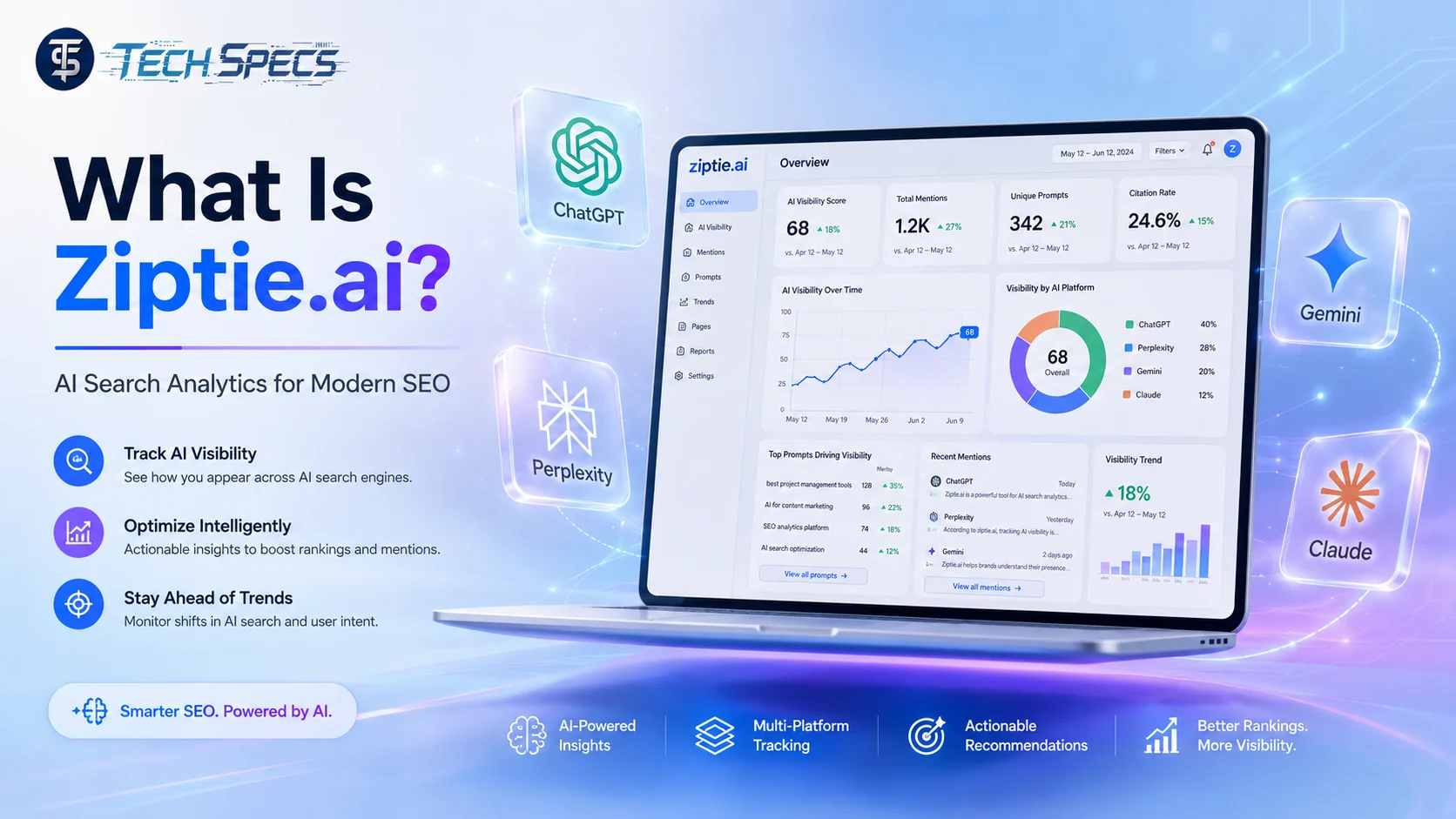
Ziptie.ai is an AI search analytics and performance platform built for the new generation of search. Its core promise is simple: help brands measure and improve how they appear inside AI-generated answers, not just inside the classic blue links.
Traditional SEO tools were built for one job, ranking on Google. Ziptie was built for a world where users ask ChatGPT, Perplexity, or Gemini before they ever open Google. That shift is huge, and it is why the platform is attracting attention from agencies, SaaS founders, and content teams who are watching their organic traffic patterns change.
Here is what makes it different at a glance:
- It monitors brand mentions across multiple AI search engines.
- It tracks which prompts trigger your brand to appear.
- It shows competitor visibility in AI answers.
- It helps you spot the content that AI systems pull from most often.
If you have been wondering why choose Ziptie.ai search analytics over a traditional SEO suite, the answer comes down to one thing: it measures what older tools simply cannot see.
What Is Ziptie AI Search Analytics?
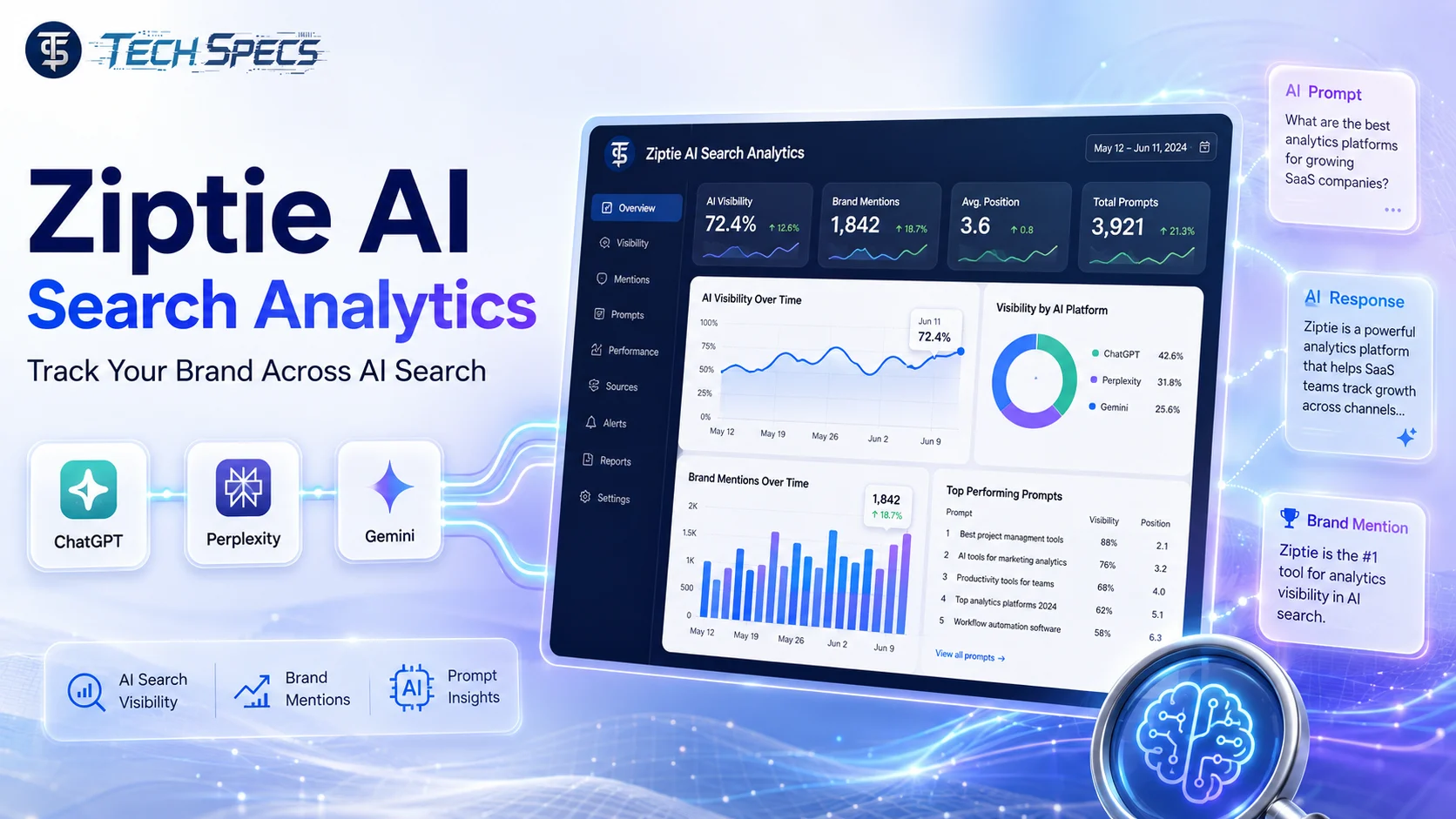
Ziptie AI search analytics is the part of the platform that focuses on visibility tracking inside AI tools. It runs prompts on your behalf, captures the responses, and tells you whether your brand, product, or content was mentioned. It also tells you what was said and which sources the AI used.
This matters because AI search behaves very differently from Google:
- AI engines summarize information instead of listing links.
- They cite a small handful of sources, not ten blue results.
- They often paraphrase, so being mentioned is the new ranking.
- Visibility can change daily based on model updates.
So when people ask what is Ziptie AI search analytics, the simple answer is this: it is a tracking system for the AI-driven layer of search that sits on top of, and increasingly in front of, traditional Google results.
What Is the Ziptie AI Search Performance Tool?
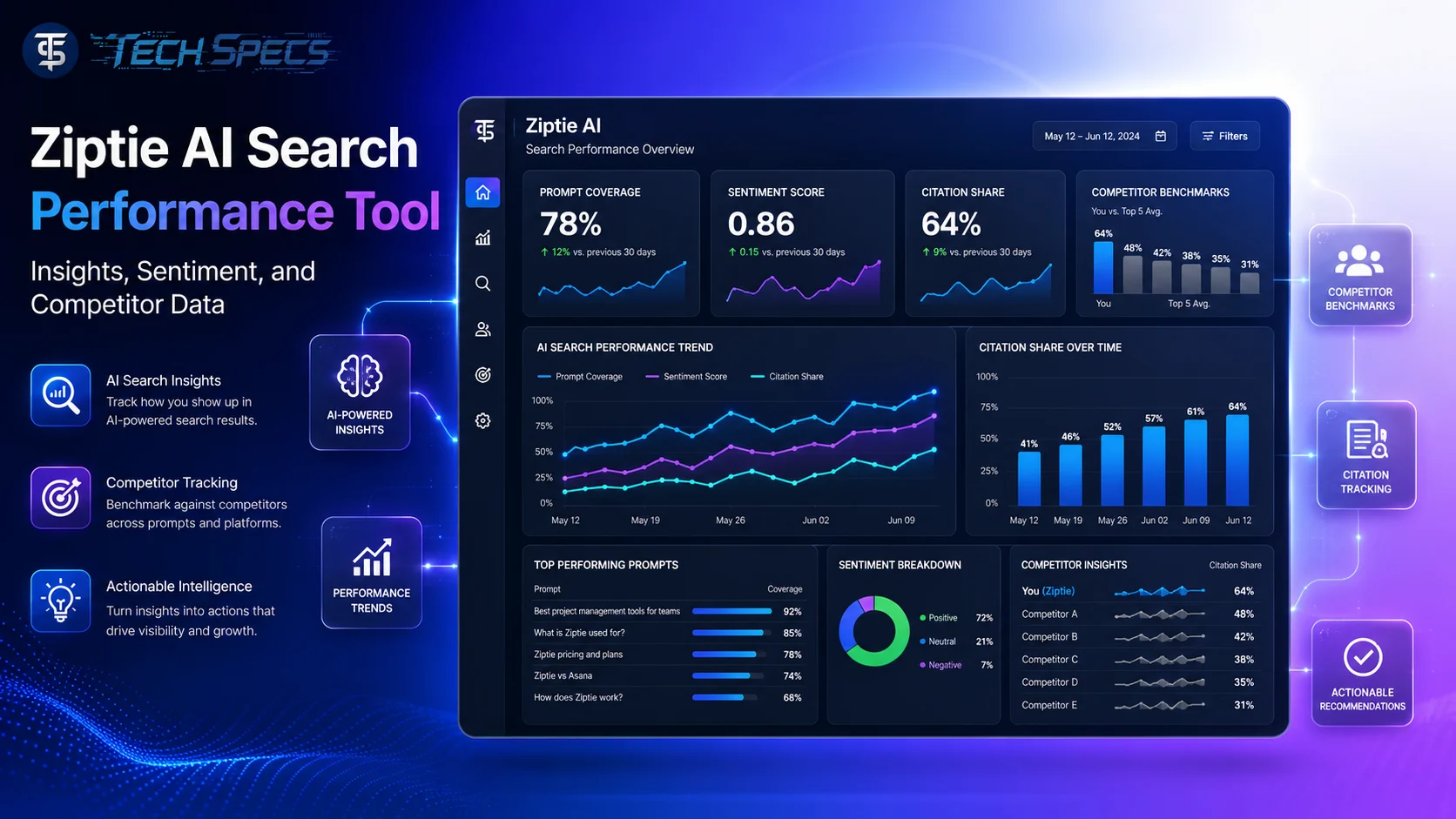
The Ziptie AI search performance tool goes one step beyond analytics. While analytics tells you what is happening, the performance tool helps you understand why and what to do about it. It looks at patterns across thousands of prompts and surfaces actionable insights.
Key things the performance tool helps with:
- Prompt coverage: Which user questions actually trigger your brand.
- Sentiment tracking: Whether AI mentions you positively, neutrally, or negatively.
- Source attribution: Which of your pages AI engines trust and cite.
- Competitor benchmarking: How often rivals appear in the same prompts.
- Content gaps: Topics where your competitors dominate AI answers.
If you have been asking what is the Ziptie AI search performance tool, think of it as your AI visibility dashboard. It tells you not just where you stand, but where you can realistically move next.
The Pros
of Using Ziptie.ai for SEO Growth in 2026
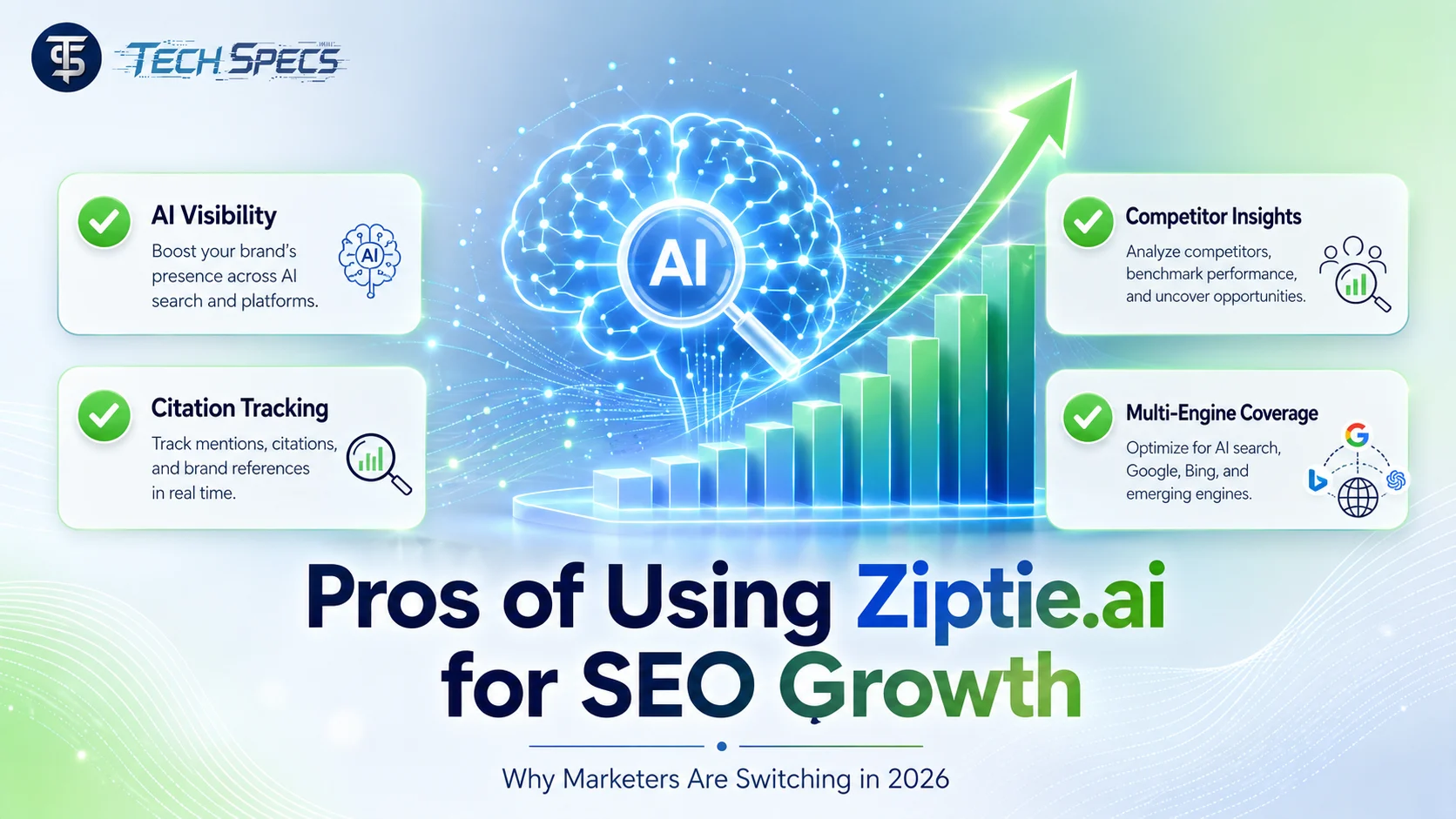
Now let us get into the real reason you are here. Here are the strongest pros of using Ziptie.ai for SEO growth in 2026, based on what the platform actually delivers.
1. Built Specifically for AI Search Visibility
Most legacy SEO tools were built for keyword rankings on Google. Ziptie was built from day one for the AI search era. That focus shows in the way it tracks prompts, AI answers, citations, and brand mentions. If your audience is already using ChatGPT or Perplexity to research before they search Google, this kind of tool is no longer optional.
2. Tracks Mentions Across Multiple AI Engines
A big advantage is that Ziptie does not limit you to one AI platform. It tracks visibility across the major AI search engines, which gives you a much more accurate picture of your total AI footprint. This is one of the biggest reasons people ask why choose Ziptie AI search performance tool instead of patching together manual tracking.
3. Reveals Real Competitor Insights
You can see which competitors AI engines mention more often, which prompts they win, and which content they get cited for. That intelligence is hard to find anywhere else, and it can shape your entire content roadmap.
4. Highlights Citation-Worthy Content
Ziptie shows which pages on your site AI engines actually pull from. This is incredibly useful because it tells you what type of content earns trust from AI models. You can then double down on that style, structure, or topic cluster.
5. Helps You Optimize Beyond Keywords
Traditional SEO is about keywords. AI SEO is about prompts, context, entities, and authority. Ziptie helps you optimize for that wider landscape. Many users report this is the reason they finally felt confident answering, is Ziptie.ai effective for search optimization, with a clear yes.
6. Saves Hours of Manual Prompt Testing
Without a tool like this, you would have to manually test prompts in different AI engines, screenshot results, and log them in spreadsheets. Ziptie automates all of that. The time savings alone can justify the cost for busy teams.
7. Good for Agencies and Multi-Brand Teams
If you manage multiple clients or multiple brands, Ziptie scales well. You can track different domains, prompt sets, and competitors in one place. That makes reporting cleaner and client meetings far more productive.
8. Forward-Looking and Future-Proof
SEO is moving toward AI-first search whether marketers like it or not. Tools like Ziptie help you stay ahead of that shift instead of reacting to it later. Investing in AI search analytics now is similar to investing in mobile SEO back in 2015. Early movers gain real advantages.
9. Useful Data for Content Strategy
The insights from Ziptie can guide your editorial calendar. You learn which questions to answer, which formats AI prefers, and which topics your brand needs to own. That makes content planning more data-driven and less guesswork.
10. Clean, Modern Interface
User experience matters, especially when you are looking at data every day. Ziptie has a clean dashboard that does not overwhelm new users. That is a small but real advantage compared to older SEO platforms that still feel cluttered.
The Cons
of Using Ziptie.ai for SEO Growth in 2026
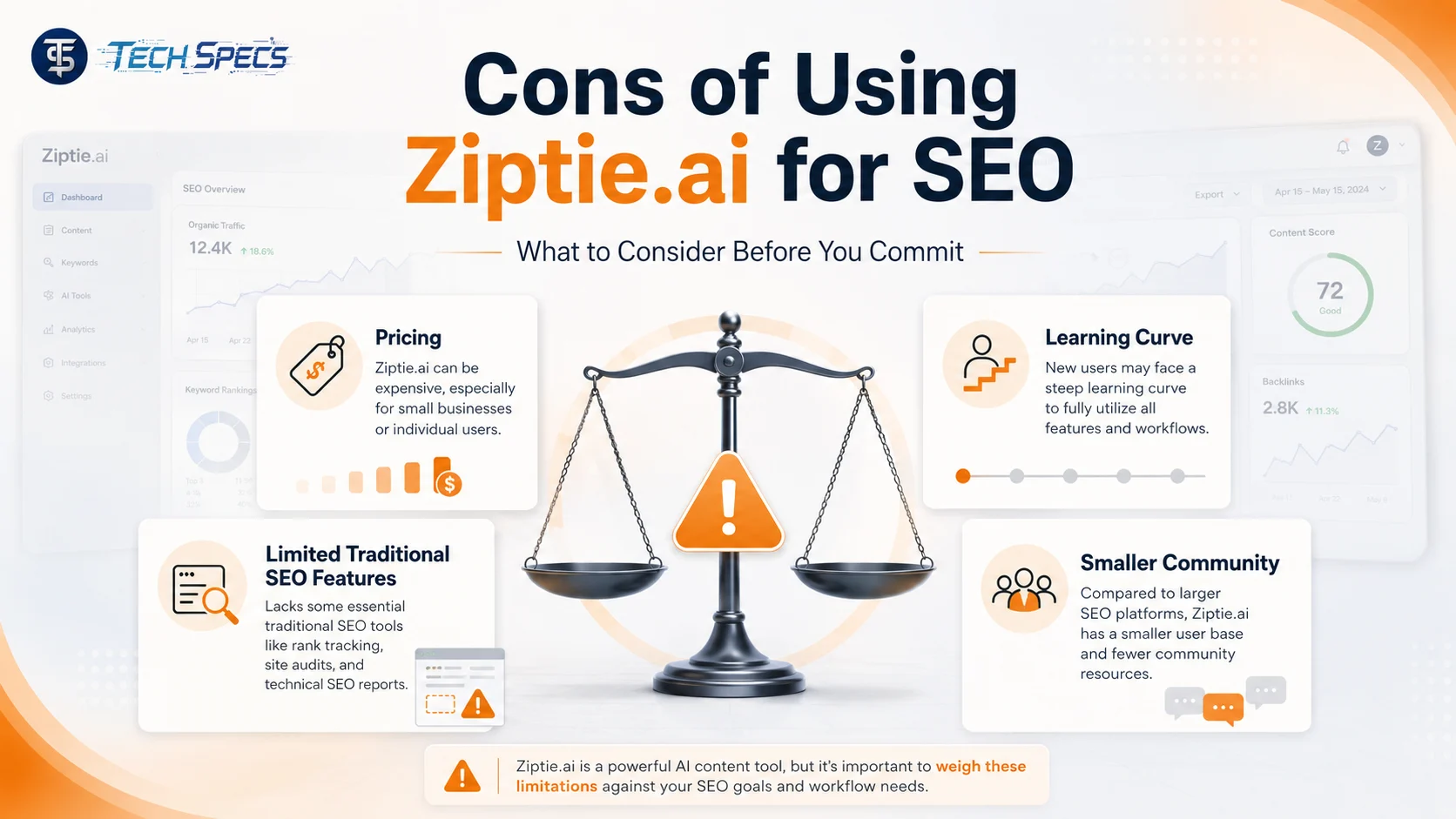
No tool is perfect, and being honest about the downsides is part of any good review. Here are the cons you should consider before committing.
1. Limited Traditional SEO Features
Ziptie is laser-focused on AI search. If you want full keyword research, backlink analysis, site audits, and rank tracking on Google, you will still need another tool like Ahrefs, Semrush, or SE Ranking alongside it. That means extra cost.
2. Pricing May Feel Steep for Solo Bloggers
For small bloggers or hobby sites, the pricing can feel like a stretch. The tool is more naturally suited to brands, SaaS companies, agencies, and serious content teams that need this level of insight.
3. AI Search Data Can Be Volatile
AI engines update their models often, which means visibility can shift quickly. This is not really Ziptie’s fault, but it does mean the data needs interpretation. Beginners may misread short-term swings as long-term trends.
4. Learning Curve for AI-First Concepts
If you are used to traditional SEO metrics, some of Ziptie’s concepts like prompt coverage, citation share, and AI sentiment will be new. There is a learning curve, even though the interface is friendly.
5. Smaller Community and Tutorial Library
Compared to giants like Semrush or Ahrefs, Ziptie has a smaller user community. That means fewer YouTube tutorials, courses, and Reddit threads to lean on when you have questions.
6. Not a Replacement for Content Quality
No tool, no matter how advanced, can rescue weak content. Ziptie tells you what AI engines are doing, but you still need strong writing, real expertise, and trustworthy sources to actually win citations.
7. Reporting Customization Could Go Further
Some users want deeper white-label reporting, especially agencies. Ziptie’s reporting is solid, but advanced customization options may still be evolving.
Is Ziptie.ai Effective for Search Optimization?
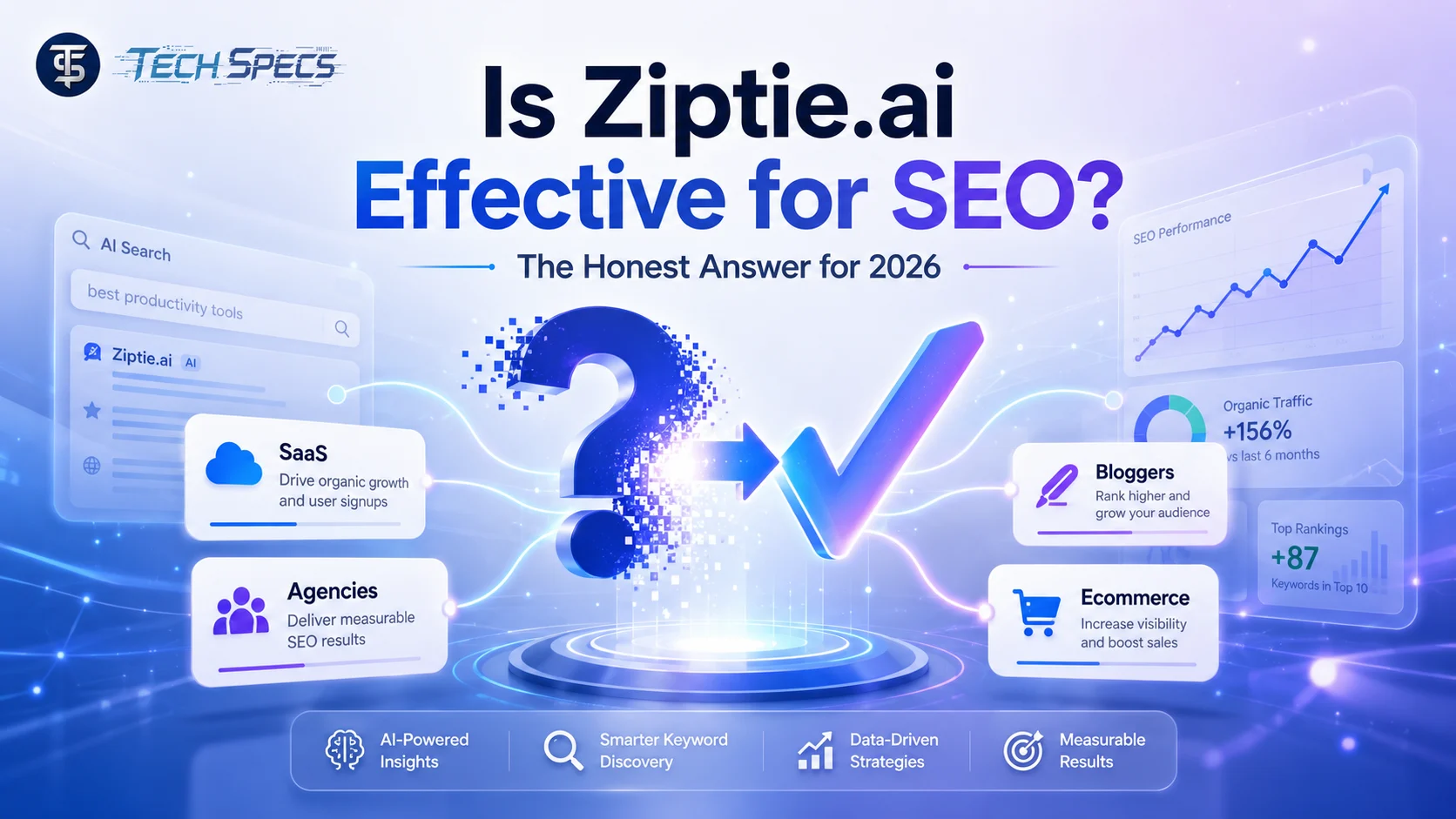
So the big question: is Ziptie.ai effective for search optimization in real-world use? The honest answer is yes, but with context.
It is highly effective if:
- You care about AI search visibility, not just Google rankings.
- You publish content regularly and want to track its AI impact.
- You compete in a niche where AI engines already dominate research.
- You manage multiple brands or clients and need centralized data.
It is less effective if:
- You only want traditional keyword and backlink data.
- Your audience rarely uses AI tools for research.
- You are not ready to invest time in learning AI-first SEO concepts.
In other words, effectiveness depends on whether your audience has moved into AI search yet. If they have, this tool earns its keep.
What Is Ziptie.dev AI Search Optimization?
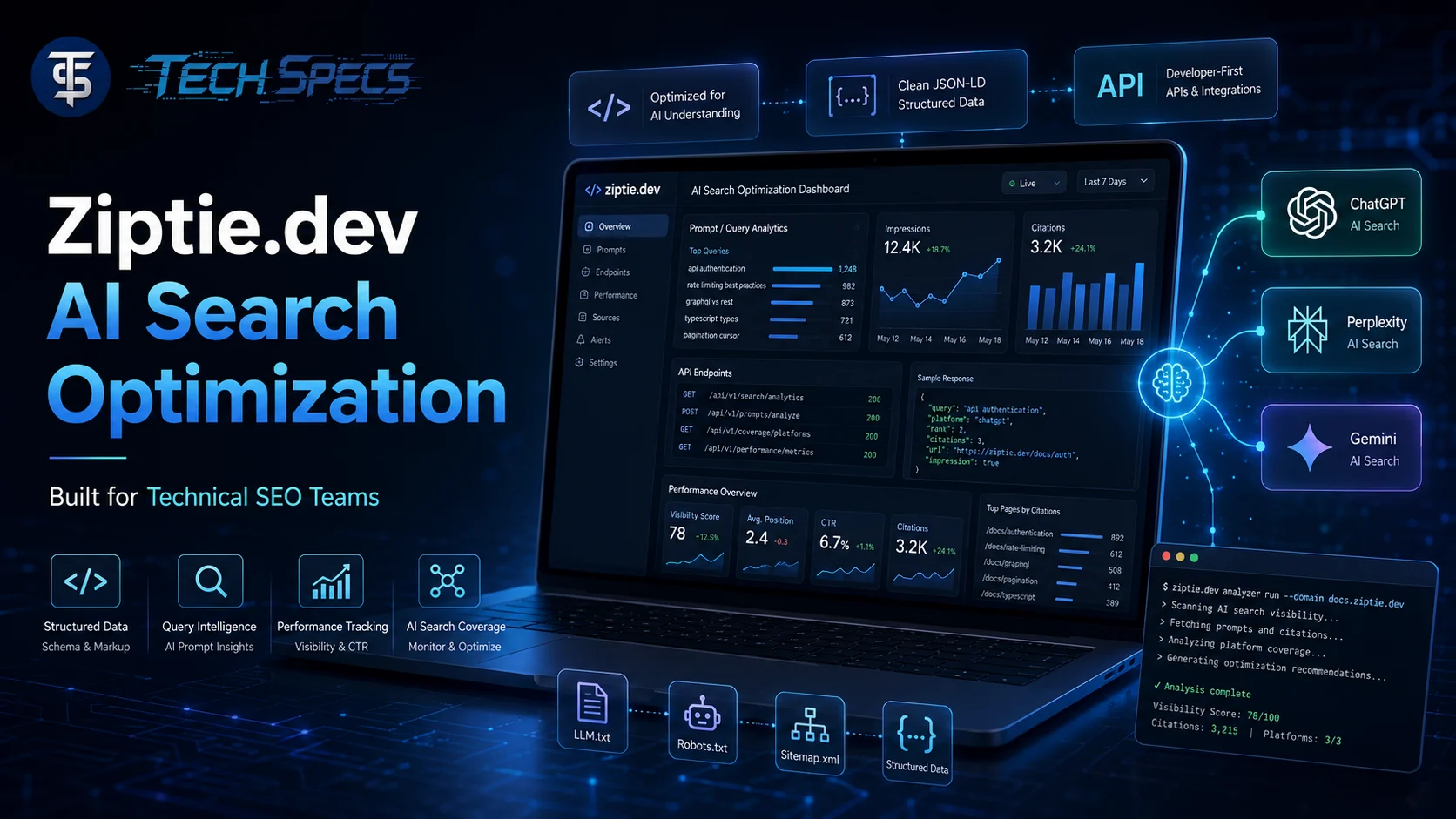
You may also see references to Ziptie.dev and wonder how it connects. Ziptie.dev is the developer and technical side of the Ziptie ecosystem, focused on AI search optimization at a deeper, more technical level. It is geared toward teams that want to integrate AI visibility data into their own workflows, dashboards, or products.
If you have been searching for what is Ziptie.dev AI search optimization, here is the short version:
- It supports advanced data access for technical teams.
- It enables custom AI visibility tracking and integrations.
- It is often used by engineering-driven SaaS and agency teams.
- It complements the main Ziptie.ai platform rather than replacing it.
So why choose Ziptie.dev for AI search optimization? Because it gives technical teams the flexibility to plug AI search data directly into the systems they already use, making AI SEO a native part of their product or reporting stack.
How Ziptie.ai Fits Into a Modern SEO Stack
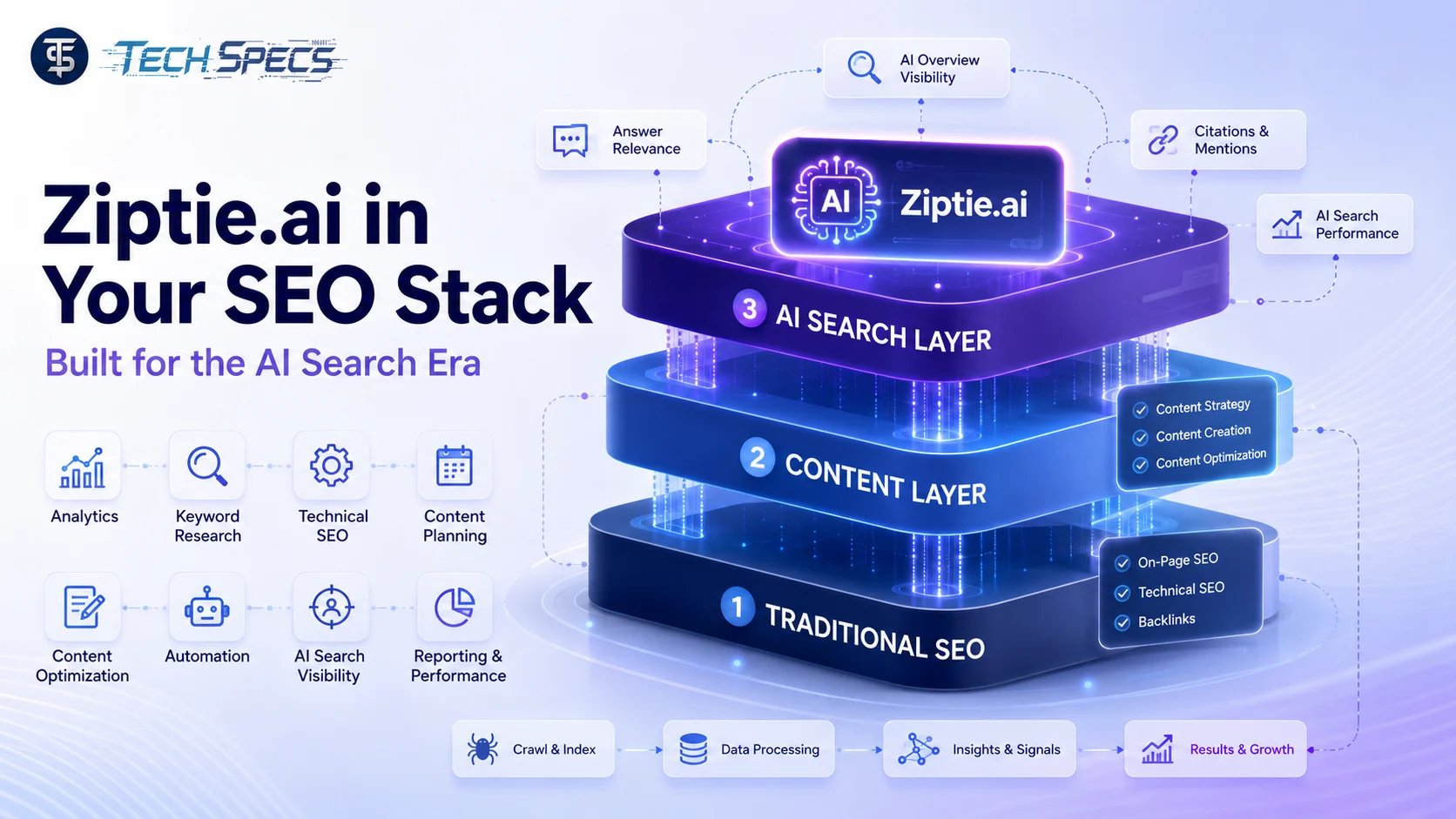
A smart 2026 SEO stack usually has three layers:
- Traditional SEO layer: Tools like Ahrefs, Semrush, or SE Ranking for keywords, backlinks, and on-page SEO.
- Content layer: Writing tools, editorial calendars, and topical authority planning.
- AI search layer: Ziptie.ai for tracking and optimizing AI visibility.
Ziptie does not try to replace your existing stack. It fills the gap that older tools were never built to handle. That is an important mindset shift before you sign up.
Who Should Use Ziptie.ai in 2026?
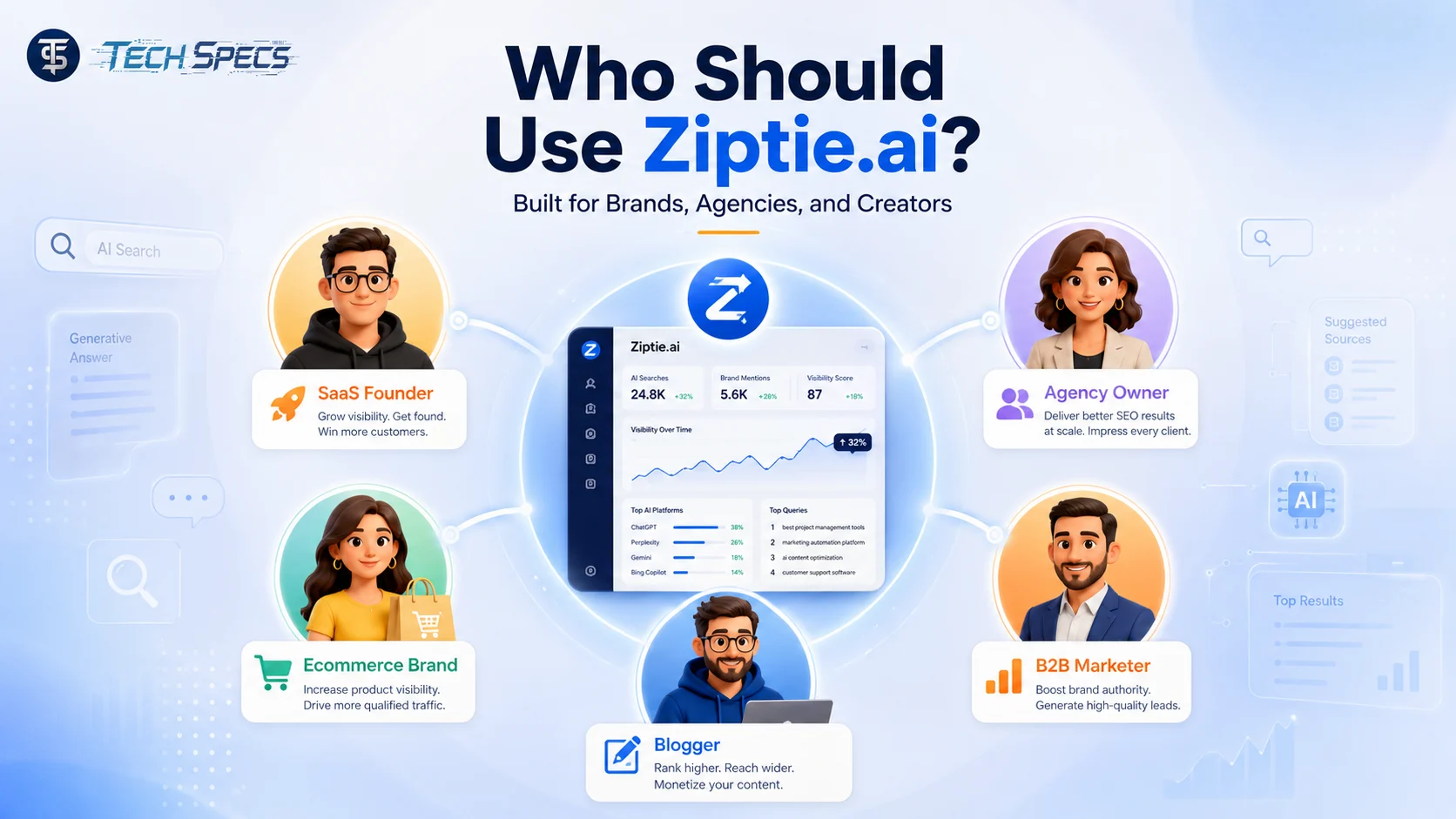
Ziptie.ai is the strongest fit for:
- SaaS companies that show up in AI tool recommendations.
- Agencies managing AI visibility for multiple clients.
- E-commerce brands competing in research-heavy niches.
- B2B teams where buyers use ChatGPT or Perplexity in their journey.
- Affiliate publishers who want to be cited inside AI answers.
- Personal brands build expertise and visibility online.
If you fit any of those categories, the value of the platform increases significantly.
Tips
to Get the Most Out of Ziptie.ai
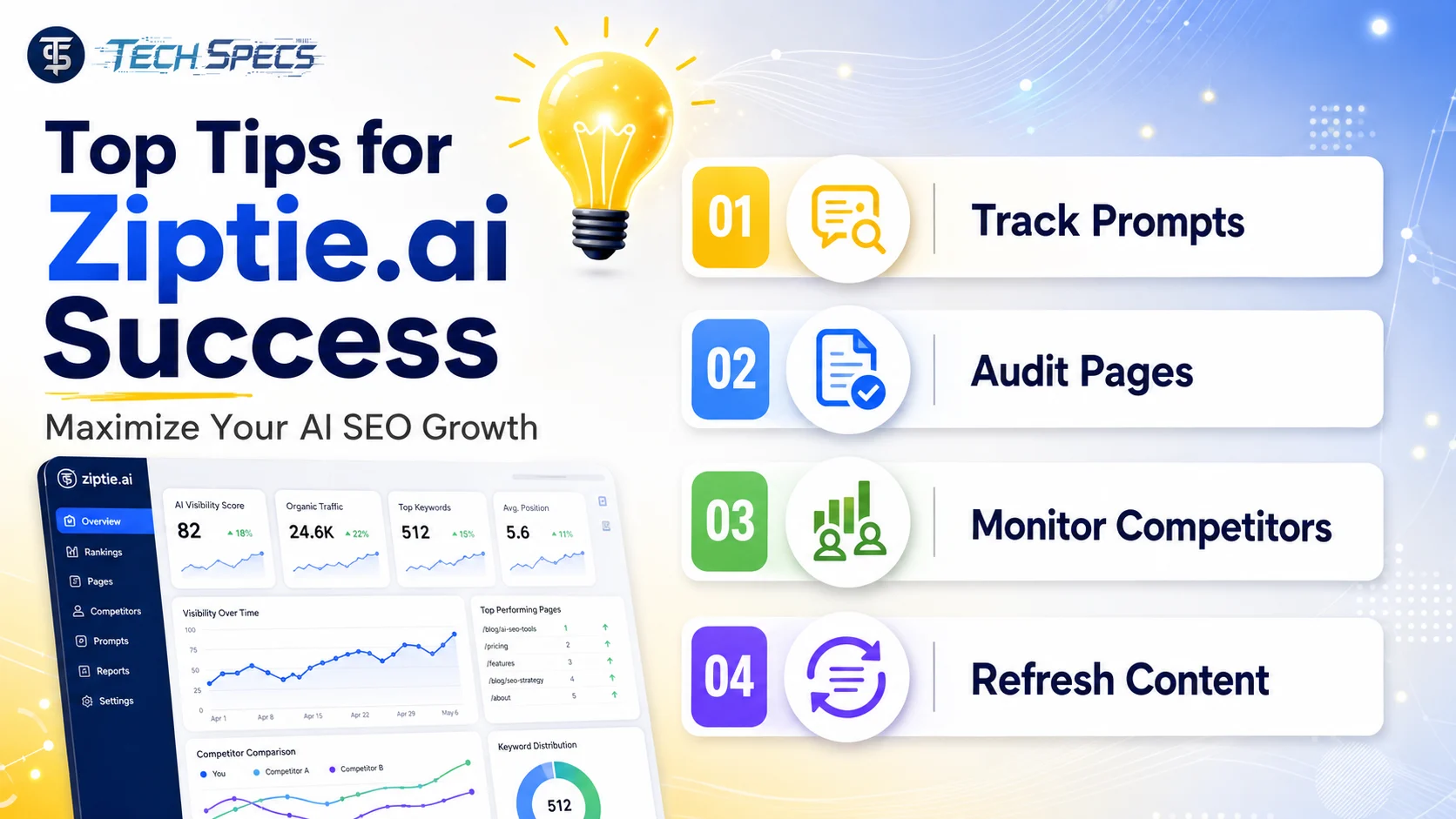
To squeeze real ROI out of the tool, keep these practical tips in mind:
- Track high-intent prompts, not just brand searches.
- Audit your most cited pages and replicate their structure.
- Monitor competitor citation patterns every month.
- Combine Ziptie data with Google Search Console insights.
- Use sentiment data to fix any negative AI mentions early.
- Refresh older content that AI engines no longer cite.
- Build topical authority instead of chasing random keywords.
These habits turn raw data into real growth.
Final Verdict:
Pros and Cons of Using Ziptie.ai for SEO Growth in 2026
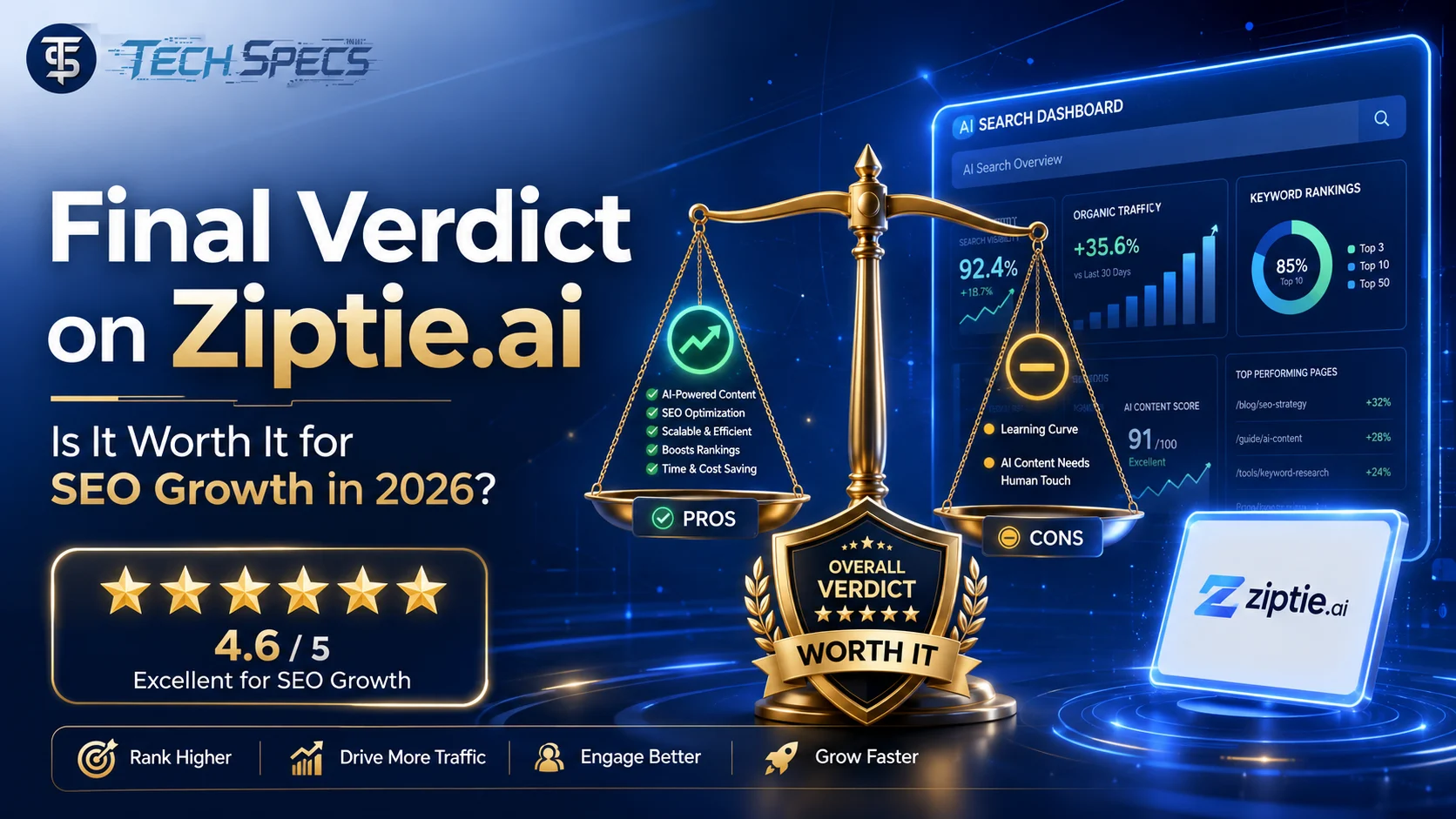
When you weigh everything, the pros and cons of using Ziptie.ai for SEO growth in 2026 point to a clear conclusion. It is a specialized tool, not a one-size-fits-all SEO suite. But for the people it is built for, it is one of the smartest investments you can make this year.
The pros, AI-first visibility tracking, competitor insights, citation discovery, and future-proofing, are powerful. The cons, limited traditional SEO features, pricing for small users, and a learning curve, are real but manageable.
If you are serious about staying visible in the new AI-driven search landscape, Ziptie.ai deserves a strong look. If you are only worried about classic Google rankings for now, you can wait, but probably not for long.
Final Thought
AI search is not a trend, it is the next phase of how people find information. The brands that adapt early will own the citations, the mentions, and the trust signals that AI engines reward. The pros and cons of using Ziptie.ai for SEO growth in 2026 show that this tool is built exactly for that shift.
If your audience is already asking AI tools before opening Google, you need visibility there. Ziptie.ai gives you the data, insights, and direction to compete in that space confidently. Pair it with strong content and a solid traditional SEO foundation, and you have a winning 2026 strategy.
FAQs
1. What is Ziptie AI search analytics?
Ziptie AI search analytics is a tracking system that monitors how your brand appears across AI search engines like ChatGPT, Perplexity, and Gemini. It captures mentions, citations, and the prompts that trigger your visibility.
2. Why choose Ziptie AI search analytics over traditional SEO tools?
You should choose Ziptie AI search analytics when you need data that traditional SEO tools cannot provide, like prompt coverage, AI citations, and sentiment inside AI-generated answers.
3. What is the Ziptie AI search performance tool?
The Ziptie AI search performance tool turns raw AI visibility data into actionable insights. It highlights content gaps, competitor strengths, and opportunities to improve your AI search rankings.
4. Why choose Ziptie AI search performance tool for growth?
You should choose Ziptie AI search performance tool if you want a clear roadmap for improving AI visibility, including which pages to optimize and which prompts to target.
5. Is Ziptie.ai effective for search optimization?
Yes, Ziptie.ai is effective for search optimization, especially for AI-driven search. It is most powerful when paired with strong content and a solid traditional SEO foundation.
6. What is Ziptie.dev AI search optimization?
Ziptie.dev AI search optimization is the developer-focused side of Ziptie. It allows technical teams to integrate AI visibility data into their own systems, dashboards, and products.
7. Why choose Ziptie.dev for AI search optimization?
You should choose Ziptie.dev for AI search optimization if your team wants deeper data access, custom integrations, and the ability to embed AI visibility tracking into existing workflows.
8. Is Ziptie.ai good for small bloggers?
Ziptie.ai can help small bloggers, but it is better suited for serious content creators, brands, and agencies who can act on the data consistently.
9. Does Ziptie.ai replace tools like Ahrefs or Semrush?
No, Ziptie.ai does not replace tools like Ahrefs or Semrush. It complements them by covering AI search visibility, while the others handle traditional SEO metrics.
10. How often should I check Ziptie.ai data?
Checking Ziptie.ai data weekly is a good baseline. Monthly deep dives help spot bigger trends without getting distracted by short-term AI model fluctuations.
11. Can Ziptie.ai help with ChatGPT visibility?
Yes, Ziptie.ai tracks ChatGPT visibility along with other AI engines, helping you understand where and how your brand appears in AI conversations.
12. Is Ziptie.ai worth it in 2026?
For brands that depend on organic visibility and serve audiences that use AI search tools, Ziptie.ai is worth the investment in 2026 and beyond.