We use cookies for ads and analytics to support our work. You can accept or reject these non-essential cookies. Cookie policy.
Six beginner-friendly smart home devices for 2026, from a $10 plug to a video doorbell, lock, and thermostat, with prices, pros and cons, and a setup order.
Smart home gear has never been cheaper or simpler, yet the flood of brands, hubs, and apps can stall a beginner before they buy a single device. This guide cuts through the noise with six proven starter products and a sensible order for adding them.
Before buying anything, pick one voice ecosystem and commit to it. Mixing Alexa, Google Home, and Apple Home is possible, but it doubles the apps and accounts you have to manage.
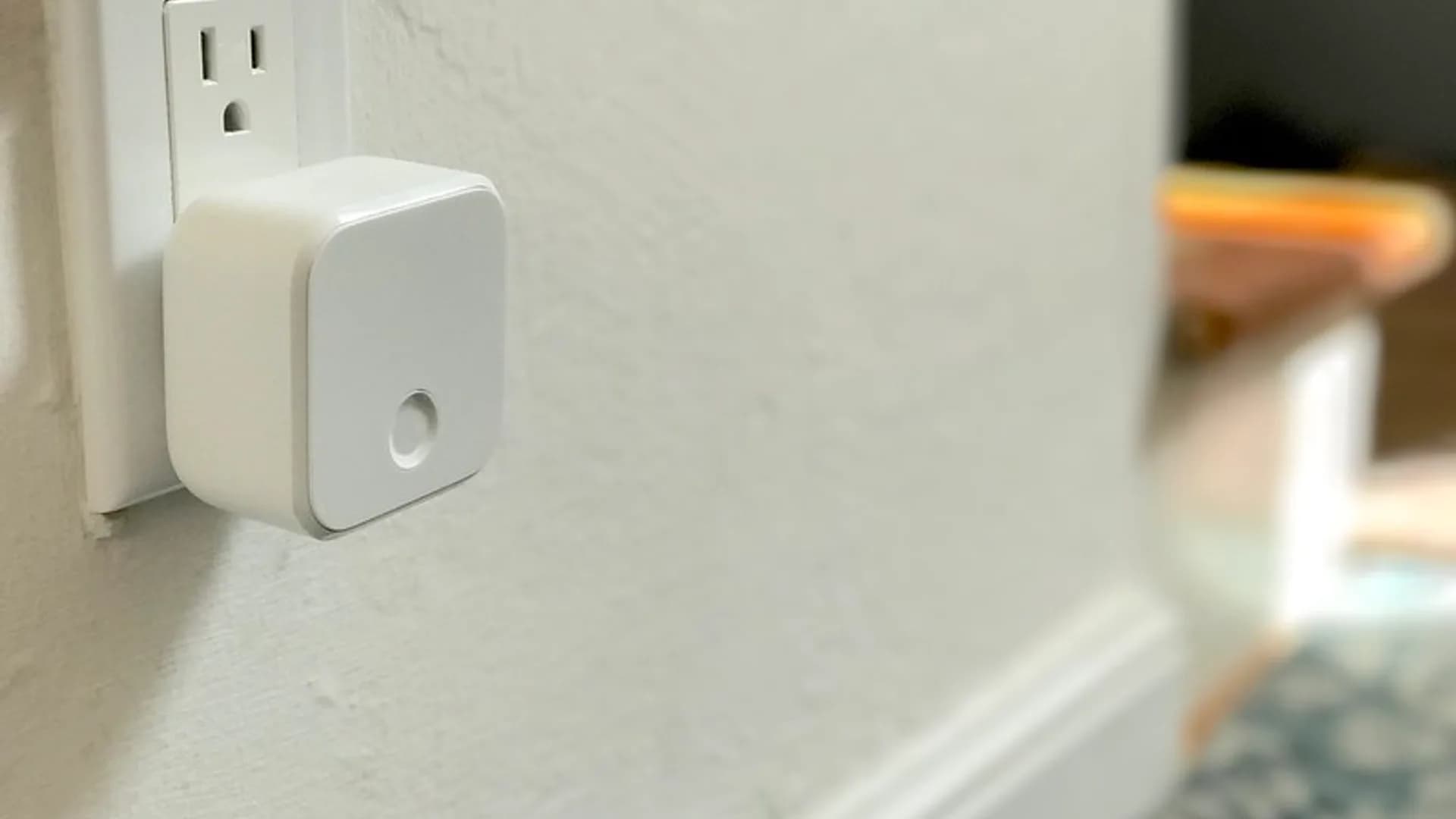
The cheapest, lowest-stakes entry point is a voice speaker paired with one smart plug and one smart bulb. A speaker such as the Echo Dot becomes the brain that runs voice commands and automations, a plug turns any lamp, fan, or coffee maker into a scheduled device, and a single color bulb lets you wake to warm light and wind down to dim amber.
This trio costs well under $100, installs in minutes, and teaches you the routines and scenes you will reuse on every device you add afterward. Choose a plug with energy monitoring and you can also see which appliances quietly run up your bill.
Once the basics click, the high-value upgrades are a video doorbell, a thermostat, and a lock. A doorbell like the Ring Battery model answers your door from your phone and records package deliveries. A smart thermostat such as the Nest trims heating and cooling bills automatically. A retrofit lock like the August Wi-Fi keeps your existing deadbolt and keys while adding auto-unlock and remote access.
You can build a capable starter system for roughly $450 at list price, and far less during sale events, where Echo and Ring gear is routinely discounted 30 to 60 percent. Buy the speaker, plug, and bulb first, then spread the doorbell, thermostat, and lock across a few paydays so the project never feels overwhelming or expensive.
| Device | Role | Approx. price |
|---|---|---|
| Amazon Echo Dot (5th Gen) | Voice hub | $50 |
| TP-Link Kasa Smart Plug | Appliance control | $10 |
| TP-Link Tapo L530E | Color lighting | $15 |
| Ring Battery Doorbell | Front-door video | $100 |
| Google Nest Thermostat | Climate savings | $130 |
| August Wi-Fi Smart Lock | Keyless entry | $150 |
A compact voice speaker that doubles as the control center for an entire smart home. For beginners it is the simplest way to run voice commands, timers, and automations, and it connects to Alexa-compatible plugs, bulbs, and cameras out of the box.
Price
$49.99
A Wi-Fi outlet that makes any plug-in device, such as a lamp or coffee maker, controllable by app or voice. It is the cheapest and least intimidating smart home purchase, needs no hub, and sets up in minutes.
Price
From $10
A color-changing LED bulb that screws into a standard socket and connects straight to Wi-Fi with no bridge required. It is the easiest way for beginners to add tunable white, 16 million colors, scenes, and gradual wake-up lighting.
Price
$14.99
A wire-free video doorbell that lets you see, hear, and speak to visitors from your phone. For beginners it is the easiest security upgrade, installing in under an hour with no electrician, and it records motion and package deliveries.
Price
$99.99
An affordable smart thermostat that schedules heating and cooling and suggests energy-saving tweaks. It suits beginners who want lower bills without the premium price of the Learning model, and it is controlled from the Google Home app or by voice.
Price
$129.99
A retrofit smart lock that mounts over your existing deadbolt, so you keep your current keys while adding app and voice control. It is ideal for beginners and renters because it installs in minutes and leaves the outside of the door untouched.
Price
$149.99
Usually not. Most beginner devices, including Wi-Fi plugs, bulbs, and Matter-certified gear, connect directly to your router. A speaker with a built-in hub, such as the Echo Dot Max, only helps once you add Zigbee or Thread accessories later.
Both control the widest range of affordable hardware, so pick the one that matches your phone and existing accounts. Alexa pairs naturally with Amazon Echo speakers, while Google Home fits Android and Pixel users.
They are reasonably safe if you use strong, unique passwords, turn on two-factor authentication, and keep firmware updated. Prioritize these steps on cameras and smart locks, which guard your home directly.
A single smart plug for around $10 or a smart bulb for around $15. Either lets you test scheduling and voice control with almost no cost or risk before you commit to more.
Yes. Smart speakers, plugs, bulbs, battery doorbells, and retrofit locks like the August Wi-Fi leave no permanent damage and can move with you when you go.
A smart thermostat like the Nest can lower heating and cooling use by adjusting automatically when you are away or asleep. Actual savings depend on your climate, HVAC system, and habits.
Share quick feedback - it's anonymous and separate from comments.


Comments
No comments yet - be the first to share your thoughts.
Leave a comment